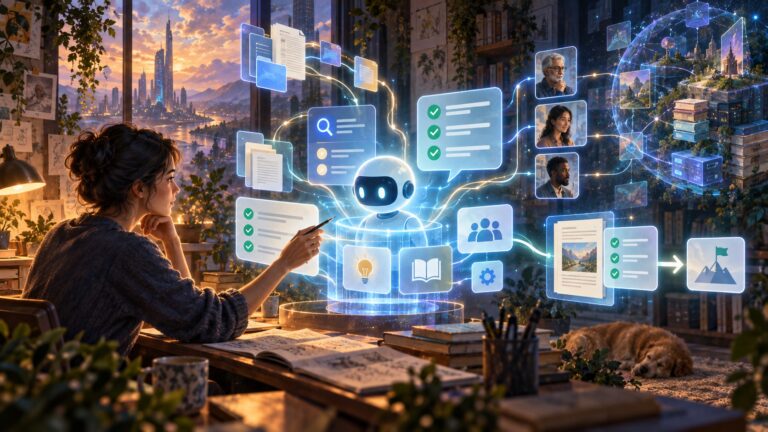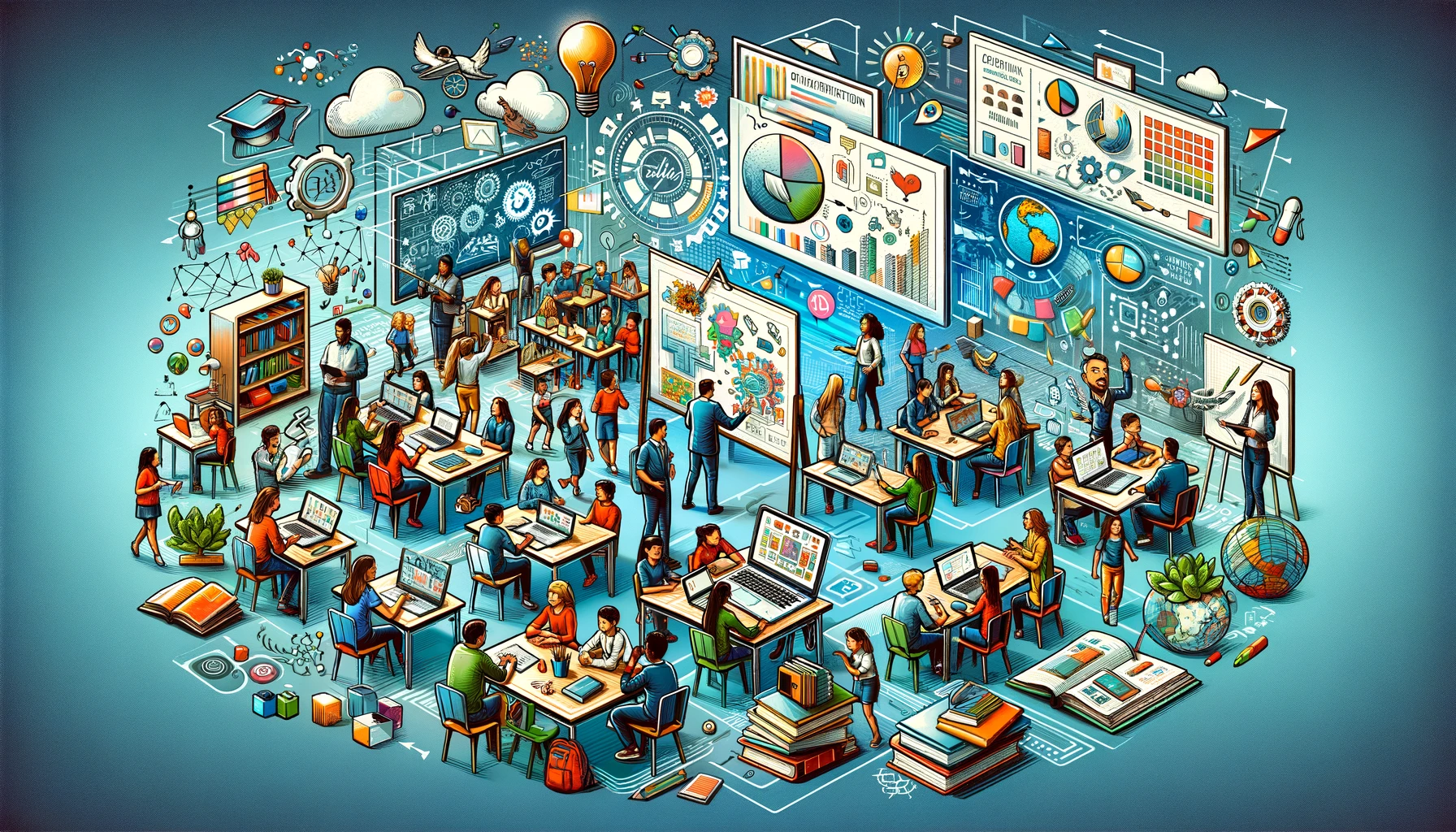
There are numerous key aspects that a modern educator should master to teach effectively beyond traditional pedagogical and curricular knowledge. These elements are crucial for creating a dynamic, inclusive, and effective learning environment that aligns perfectly with the needs of the 21st century. I observe daily that the role of the educator is not simply to provide content but fundamentally to support and accompany student performance, ensuring that the educational Return on Investment (ROI) is evident and measurable.
The term or concept of ROI is not confined exclusively to the corporate realm; I consider it essential as the barometer of future educational success. It is no longer enough to memorize information and answer multiple-choice exams. Students must be able to apply the knowledge acquired immediately, in such a way that it has a tangible and positive impact on their daily lives. The real challenge lies in designing learning experiences that not only inform but also transform.
Digital Competencies: Embracing the Technological Shift 📱
Digital literacy is not just for students; educators also need to be proficient in the use of digital technologies. This includes managing online learning platforms, effectively using multimedia tools to enrich educational content, and guiding students in the ethical and critical use of these technologies. Educators must stay updated with the latest technological advancements and integrate them into their teaching strategies to enhance student engagement and learning outcomes.
ROI in this context is seen through improved student engagement and retention, higher completion rates of online courses, and the ability to reach a broader audience. The immediate application of digital tools in education prepares students for a technology-driven world, ensuring that they possess the necessary skills to succeed in the digital age.
Learning Experience Design (LX): Crafting Engaging and Inclusive Content 🎨
Educators must be able to design learning experiences that not only convey content but are also engaging, interactive, and accessible to all students. This involves a deep understanding of universal design principles and how to structure content to be meaningful and challenging. Incorporating interactive elements such as simulations, gamified learning modules, and collaborative projects can significantly enhance the learning experience.
ROI here is measured by the increased student participation, improved learning outcomes, and the development of critical thinking and problem-solving skills. When students are actively engaged and find the content relevant, they are more likely to apply what they learn, which translates into higher educational value and impact.
Change Management and Adaptability: Navigating the Evolving Educational Landscape 🔄
In a rapidly changing world, the ability to adapt and respond to new educational demands is essential. Educators must be prepared to integrate new pedagogies, adapt their teaching methods to diverse situations, and continuously update their educational content. Flexibility and resilience are key traits that enable educators to manage change effectively.
The ROI in adaptability is seen through the educator’s ability to maintain high teaching standards despite changes and challenges. This adaptability ensures that the educational institution remains relevant and can swiftly respond to emerging trends and needs, thus maintaining student satisfaction and institutional credibility.
Developing Socioemotional Skills: Fostering Holistic Development 🌱
More than ever, it is crucial for educators to promote skills such as resilience, empathy, and collaboration. These skills are essential for students to navigate a complex and often challenging world. Educators need effective strategies to teach and model these skills in the classroom, creating a supportive and nurturing learning environment.
ROI in socioemotional learning is reflected in the improved mental health and well-being of students, better interpersonal relationships, and a more positive school climate. Students equipped with strong socioemotional skills are more likely to succeed academically and professionally, contributing positively to society.
Continuous Assessment and Feedback: Enhancing Learning Outcomes 📊
The ability to effectively assess student learning and provide feedback that is constructive and motivating is fundamental. This involves using formative assessment methods that allow students to reflect on their learning and continuously improve. Regular feedback helps students understand their strengths and areas for improvement, fostering a growth mindset.
ROI in continuous assessment is evidenced by the sustained academic improvement and progression of students. Effective feedback mechanisms ensure that students are continually advancing, which enhances their overall educational experience and prepares them better for future challenges.
Cultural and Global Understanding: Preparing for a Globalized World 🌍
Today’s educators need to be aware of the diverse cultures and contexts of their students. This means possessing a cultural sensitivity that allows for the integration of diverse perspectives and experiences in the teaching process, preparing students to operate in a globalized environment.
ROI in this area is measured by the students’ readiness to engage and work in diverse cultural settings. This cultural competence is invaluable in today’s interconnected world, providing students with a competitive edge in the global job market.
Sustainability and Future Education: Addressing Global Challenges 🌱
Integrating themes of sustainability and global awareness into the curriculum is essential for preparing students for future challenges. Educators must be equipped to teach about critical issues such as climate change, social equity, and ethical technology use.
ROI here is seen through the development of socially responsible and environmentally conscious individuals. Educators who successfully integrate these themes help create a generation of students who are prepared to tackle global challenges and contribute positively to society.
The true measure of educational success in the 21st century lies in the ROI that educational strategies and tools provide. By mastering digital competencies, designing engaging learning experiences, adapting to change, fostering socioemotional skills, providing continuous assessment, understanding cultural contexts, and integrating sustainability, educators can significantly enhance the learning outcomes and overall educational experience of their students.
Incorporating these key competencies ensures that the role of the educator evolves from merely imparting knowledge to shaping learners who are equipped to apply their knowledge in meaningful ways. This shift not only transforms education but also ensures that it remains relevant and impactful in an ever-changing world. The ultimate ROI in education is seen through the tangible, positive changes in students’ lives, their readiness to face future challenges, and their contributions to society.