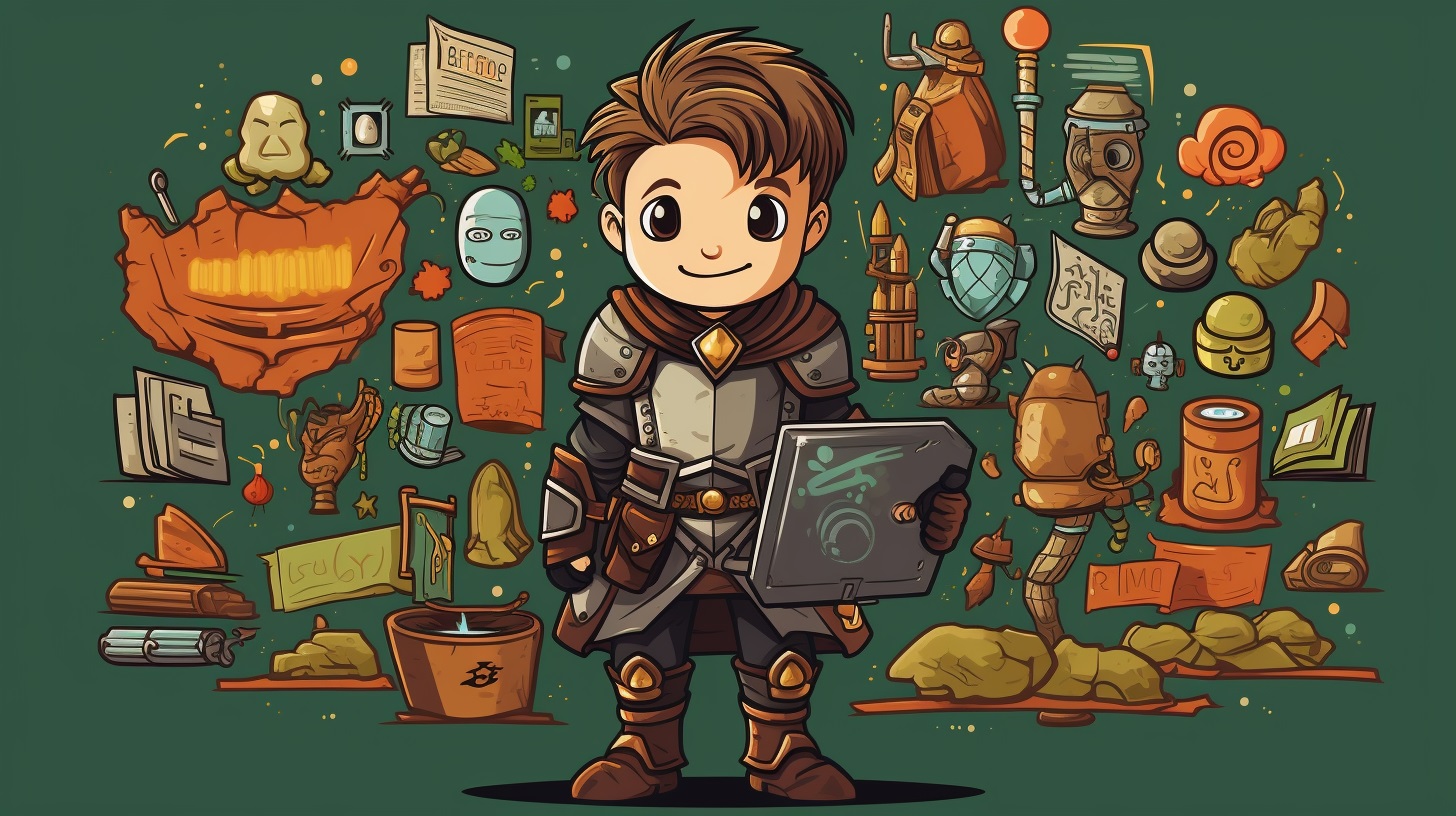
At its core, gamification is the application of game mechanics and design techniques in non-game contexts. While it might sound like turning education into a video game, it’s more about leveraging the elements that make games engaging and applying them to the learning process.
Why Gamify Learning? 🚀
Games are inherently engaging. They offer challenges, rewards, and a sense of accomplishment. By integrating these elements into education, we can boost student motivation, investment, and even enjoyment in their learning journey. Plus, the instant feedback mechanisms in games can be invaluable in the learning process.
Roleplaying: A Deeper Dive into Immersion 🎭
Roleplaying isn’t just for theater or video games. In an educational context, it allows students to step into the shoes of different characters or professionals. This immersive experience can help students grasp complex concepts more intuitively. Imagine “living” through historical events or making business decisions in a simulated corporate world. The insights gained from such experiences can be profound.
Challenges and Rewards: The Game Mechanics 🌟
Just as in games, challenges in learning can be daunting. But with the right game mechanics, such as earning badges for milestones or unlocking new content after mastering a topic, students are more motivated to push through. These rewards, whether tangible or intangible, serve as positive reinforcement, encouraging continuous learning.
The Bigger Picture: Personal Growth and Development 🌱
Beyond the fun and games, the ultimate goal of education remains personal growth and development. Gamification and roleplaying are tools that can make the learning journey more engaging and effective. But at the end of the day, it’s about equipping students with the knowledge, skills, and experiences they need to thrive in the real world.
Gamification and roleplaying are more than just educational trends. They’re powerful strategies that can transform the learning experience. By making education more interactive, immersive, and engaging, we’re not just teaching students; we’re preparing them for success in life. After all, isn’t that the ultimate goal of education?