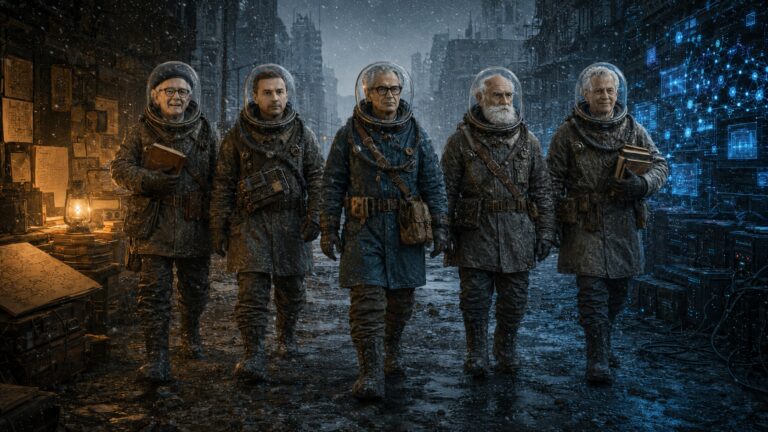
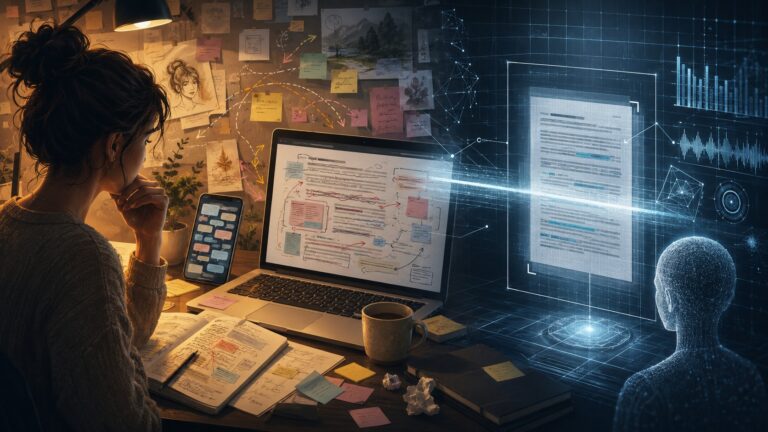
Piaget once said that the main objective of education should be to create individuals who are capable of doing new things, not just repeating what other generations have done. But if that’s the case, why does it seem so hard for the educational system to evolve? Let’s dive into the complexities of bias in education and the struggle for innovation.
Teacher Bias: A Hidden Obstacle? 🚧
Teachers are human, and like all humans, they have biases. These biases can be based on race, gender, socioeconomic status, or even learning styles. While most teachers strive to be impartial, unconscious biases can still influence their interactions with students, affecting the students’ educational experience and self-esteem.
Systemic Bias: The Elephant in the Room 🐘
It’s not just individual teachers; the educational system itself can be biased. Curricula often reflect the perspectives of those in power, marginalizing diverse voices and experiences. Standardized tests and grading systems can also perpetuate inequality, favoring students who excel in traditional academic settings while overlooking those with different skill sets or learning styles.
The Struggle to Innovate 🛠️
Piaget’s vision of education as a place for creativity, invention, and discovery seems to be at odds with a system that often prioritizes rote memorization and standardized testing. The struggle to innovate is hampered by various factors. Educational institutions are often slow to adapt, sticking to “tried and true” methods even when they’re outdated. Many schools lack the resources to implement new teaching methods or technologies, making innovation difficult. Additionally, teachers and administrators face pressure from parents, school boards, and government agencies to maintain high test scores and meet other performance metrics, which can stifle experimentation.
The Way Forward: Breaking the Mold 🌈
To create an educational system that aligns with Piaget’s vision, we need to acknowledge and address both individual and systemic biases to create a more equitable educational environment. Encouraging problem-solving, critical thinking, and creative expression in the classroom is essential. Being willing to try new teaching methods, integrate technology, and listen to feedback from students and educators alike can pave the way for a more innovative and inclusive educational system.
Bias in education, both from teachers and the system, is a complex issue that hampers progress and innovation. To move towards an educational model that fosters creativity and discovery, as Piaget envisioned, we need to confront these biases head-on and be willing to evolve. Only then can we hope to train individuals who are not just repeating history but making it.